
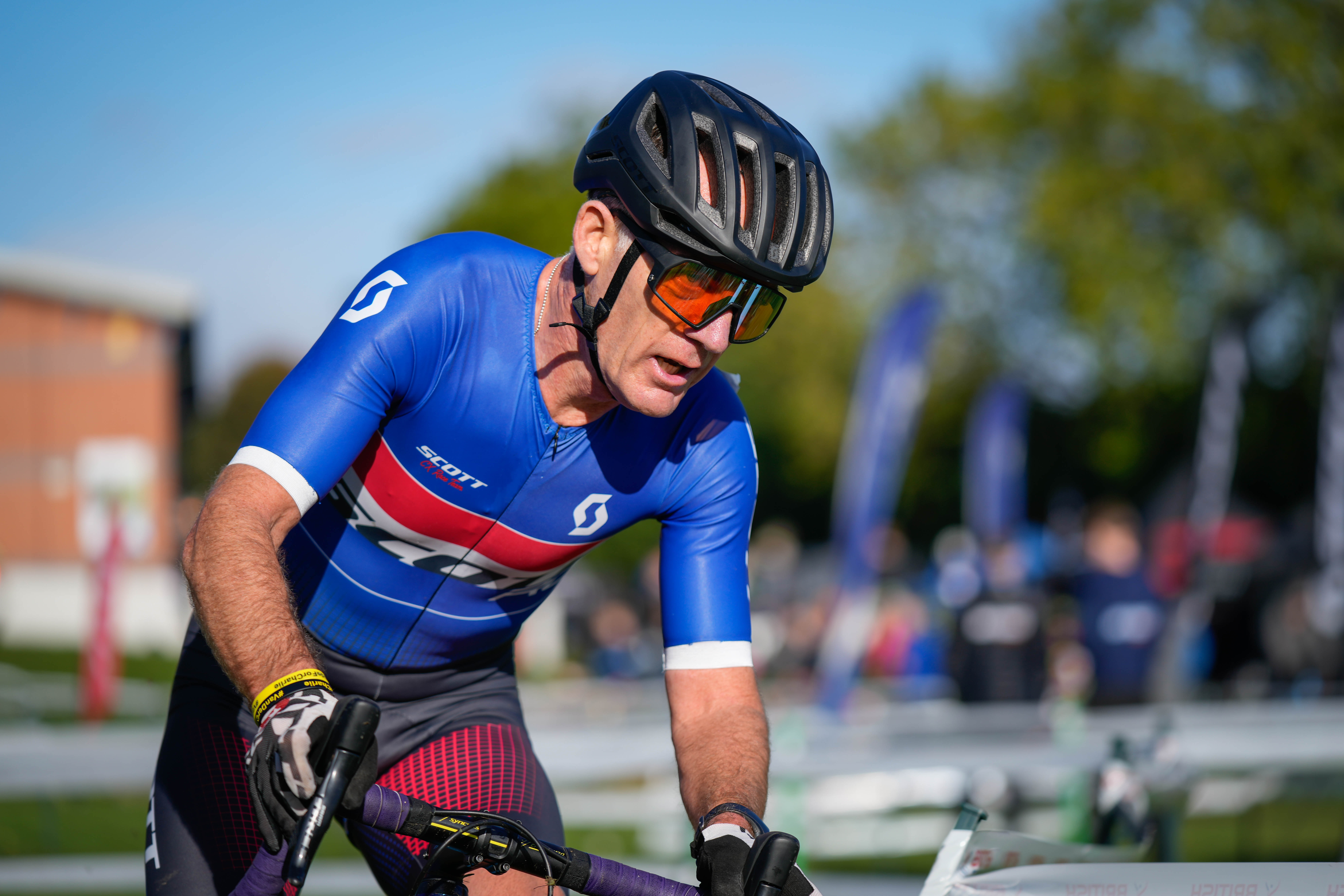
British off-road cycling great Nick Craig has revealed that he has undergone a procedure to fit an implantable cardioverter defibrillator (ICD), following several years of cardiac investigation.
Craig, one of the most respected figures in British cyclocross and mountain biking, shared the news in a personal update following the operation. He explained that a consultant cardiologist, aware of the tragic death of his son Charlie, had contacted him around 18 months earlier and recommended repeating tests that had previously found nothing conclusive.
Further examinations, including MRI scans, revealed scarring in Craig’s heart muscle. According to Craig, doctors identified a risk that ventricular tachycardia – a dangerously fast rhythm originating in the heart’s lower chambers – could interact with the scar tissue and develop into a potentially fatal arrhythmia. This led to the decision to implant the ICD. Craig had initially been investigated with a view to possibly closing a hole in his heart.
An ICD is a small device placed beneath the skin that continually monitors the heart. If it detects a dangerously abnormal rhythm, it can deliver electrical impulses or a shock to restore a normal heartbeat. The British Heart Foundation describes the device as an important safeguard for people considered at risk of life-threatening ventricular arrhythmias.
For Craig and his family, the circumstances carry an unavoidable and deeply poignant connection to Charlie, who died in his sleep in January 2017 at just 15 years of age.
Charlie was already regarded as one of Britain’s most exciting young off-road riders. He won the under-16 National Trophy cyclocross series in 2016 and finished second in his category at the British National Cyclocross Championships shortly before his death.
The subsequent inquest heard that Charlie had suffered a heart attack after earlier, undetected cardiac episodes had left scarring in his heart. Medical evidence presented to the court described his case as exceptionally unusual and found no evidence that his condition was congenital. It is therefore important not to suggest that Nick and Charlie necessarily had the same condition or that a hereditary link has been established.
Nevertheless, Nick’s recent experience underlines the value of careful cardiac investigation and continued medical follow-up—even in an athlete with decades of exceptional fitness behind him. It also shows why heart health among competitive and lifelong endurance athletes should never be taken for granted.
Craig’s influence on British cycling extends far beyond his own distinguished racing record. A three-time British cyclocross champion, multiple national mountain bike champion and Sydney 2000 Olympian, he has remained a much-loved presence in the off-road community.
Through Ride for Charlie, the Craig family has also transformed unimaginable loss into lasting support for young riders. The organisation helps self-motivated young off-road cyclists pursue the opportunities and adventures that inspired Charlie himself.
Nick’s openness about his treatment is another valuable contribution. His story is a reminder that strength is not simply measured by results, endurance or the ability to push through discomfort. Sometimes it lies in accepting medical advice, undergoing the necessary investigations and giving the body the protection it needs.
The entire British cyclocross community will now wish one of its most admired figures a safe and steady recovery.

